New Orleans · Cracks & replacement · 4 min read
Cracked driveway in New Orleans: repair or replace?
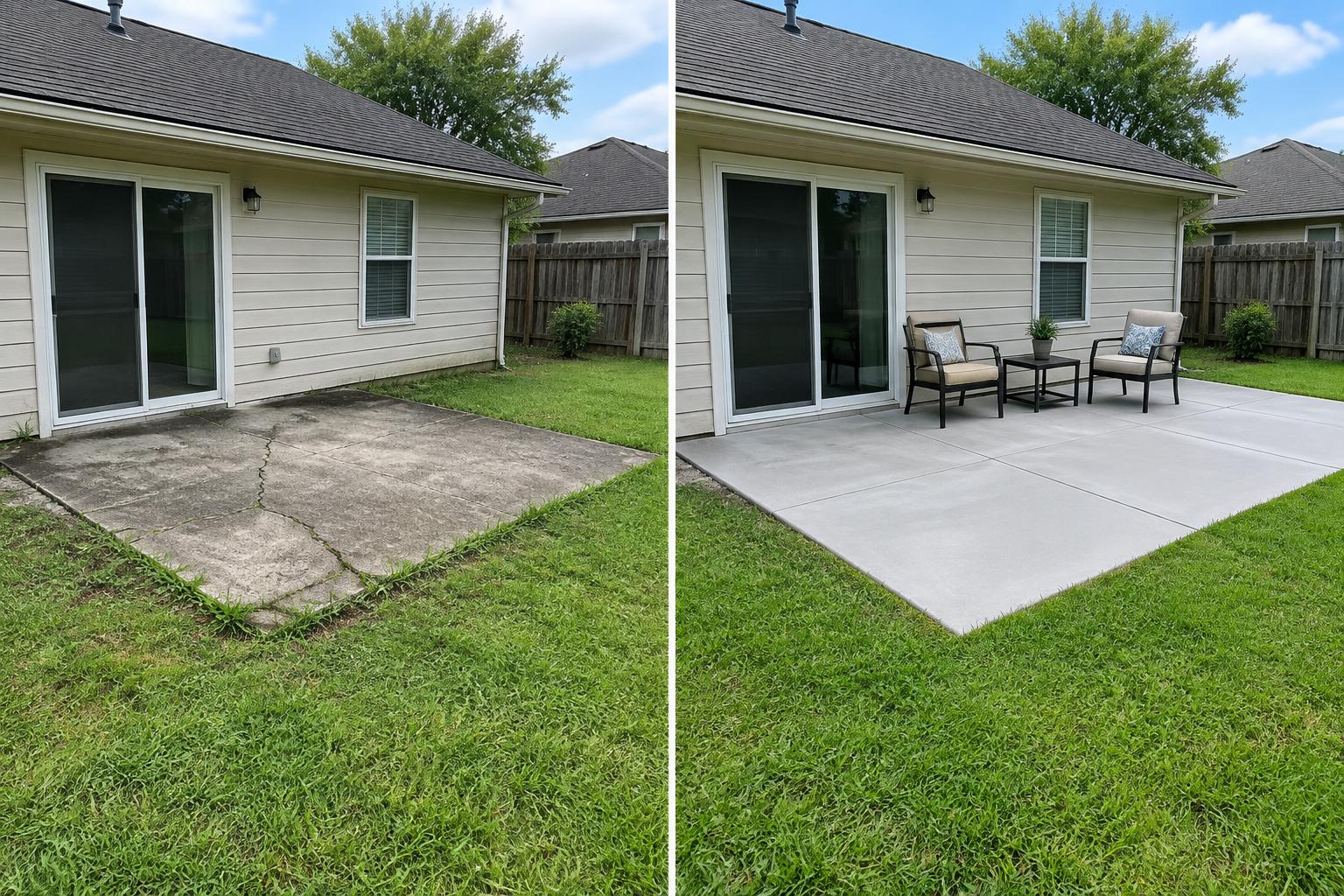
A crack does not automatically mean your driveway needs replacing. The important questions are whether the panels are moving, whether the edges are uneven, and whether the concrete still has sound support.
By Gulf South Concrete · Homeowner guide
Start with the condition—not just the crack
Concrete changes with moisture, temperature and loading. The National Ready Mixed Concrete Association notes that completely crack-free concrete is not a realistic promise. Joint layout, subgrade preparation and curing help control cracking, but a photo alone cannot establish the cause.
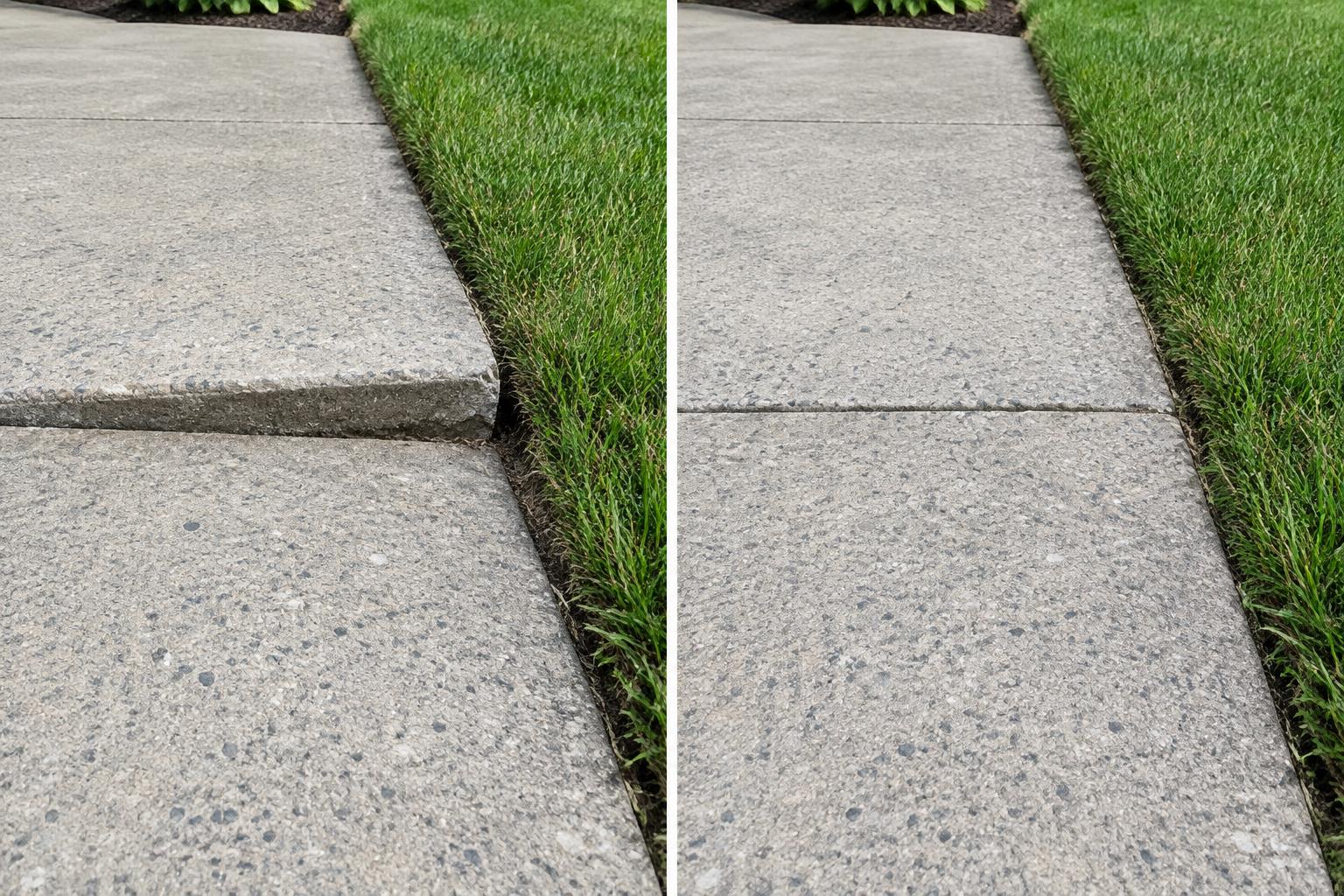
Walk your driveway when it is safe and dry. Look for changes in height across a crack, broken edges, loose pieces and low areas that hold water. Photograph the whole driveway as well as the damaged panels. A dated close-up with a ruler beside—not inside—the crack can help you track changes.
When a repair may make sense
An isolated crack in otherwise sound, stable concrete may be a candidate for repair. A repair can address the opening or damaged surface, but it is not a guarantee that movement has stopped. Ask what the proposed treatment fixes and what it leaves unchanged.
If one panel has settled, its condition and underlying support need review before leveling is recommended. Filling a crack without understanding the movement may leave the original problem in place.
When to discuss replacement
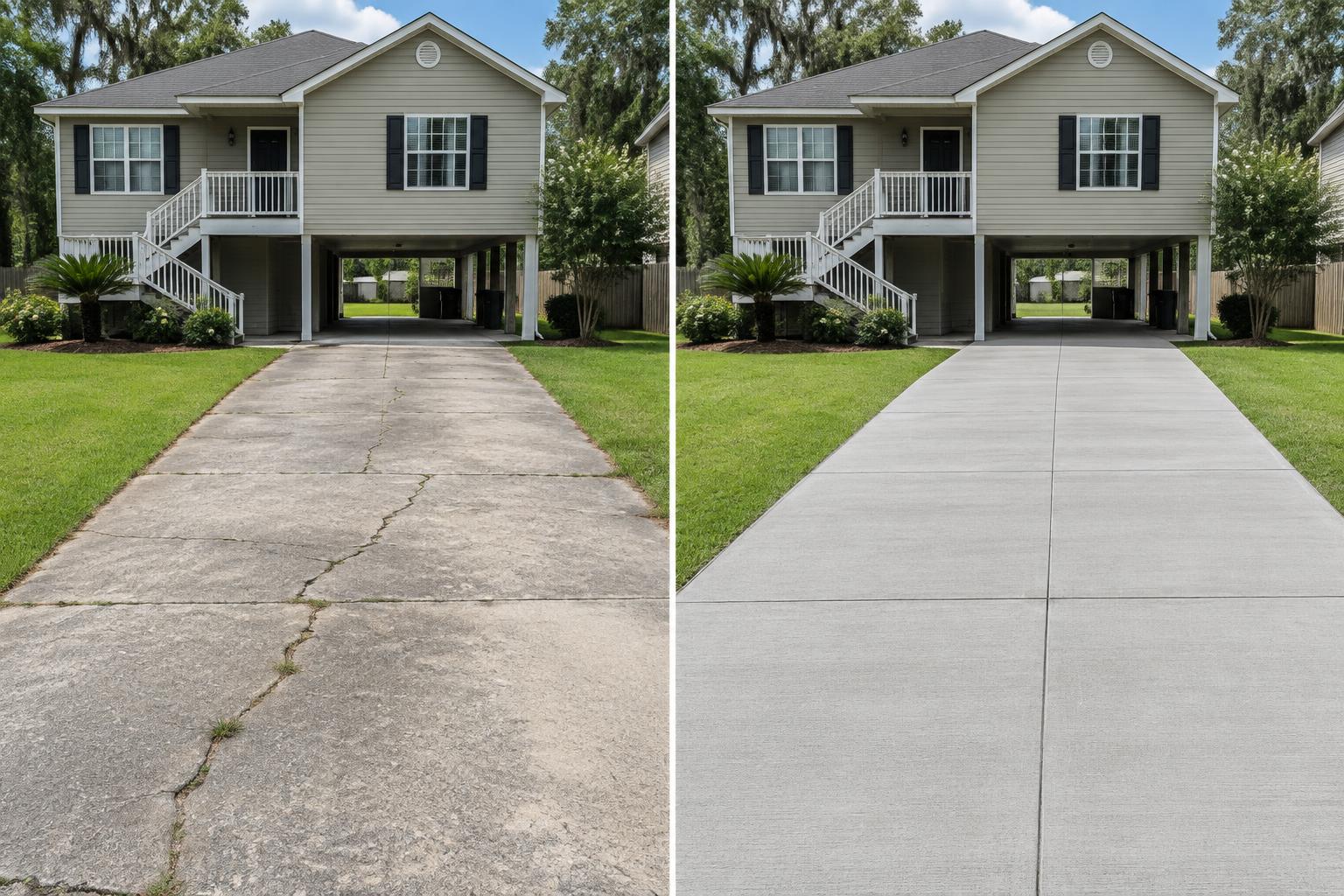
Widespread deterioration, badly broken panels or recurring movement can make partial or full replacement worth discussing. Replacement is also a chance to review drainage, driveway elevations, vehicle use and the transitions at the street and garage.
For a New Orleans property, include site access in that conversation: gate width, nearby structures, parking restrictions and space for concrete removal. Those details help an estimator plan the work without assuming every driveway has easy access.
What a useful quote should cover
Ask about removal, base preparation, concrete placement, finish, joints and curing. The dimensions and specifications should suit the site. Avoid choosing a proposal on a promise of “no cracks ever.”
If cracks also appear in your home’s foundation, walls or floors, or movement is progressing, seek assessment from a qualified structural professional. A driveway article cannot diagnose a house foundation.
What to include in your quote request
- Your New Orleans neighborhood and project address
- Approximate driveway length and width
- Wide photos, crack close-ups and any uneven edges
- Where water collects and whether the damage is changing
- Whether you want repair, replacement or help comparing options
Source & scope
NRMCA CIP 4 — Cracking Concrete SurfacesGeneral homeowner information, not an engineering assessment. Site conditions and repair suitability require an on-site review.